When we think about foods that could harm our health, we often picture junk food, excess sugar, or processed snacks. But what if the real danger was hiding in something even more common: the salt shaker on your kitchen table?
As it turns out, excessive salt intake may be silently putting your brain at risk.
Meet the Silent Threat: Salt
Salt is everywhere: in chips, canned soups, frozen meals, and restaurant dishes. While our bodies need a small amount of sodium to function properly, high salt consumption has been linked to memory loss, cognitive decline, and even dementia. Studies show that excess sodium can damage blood vessels in the brain, reduce blood flow, and increase inflammation, all of which accelerate neurodegeneration.
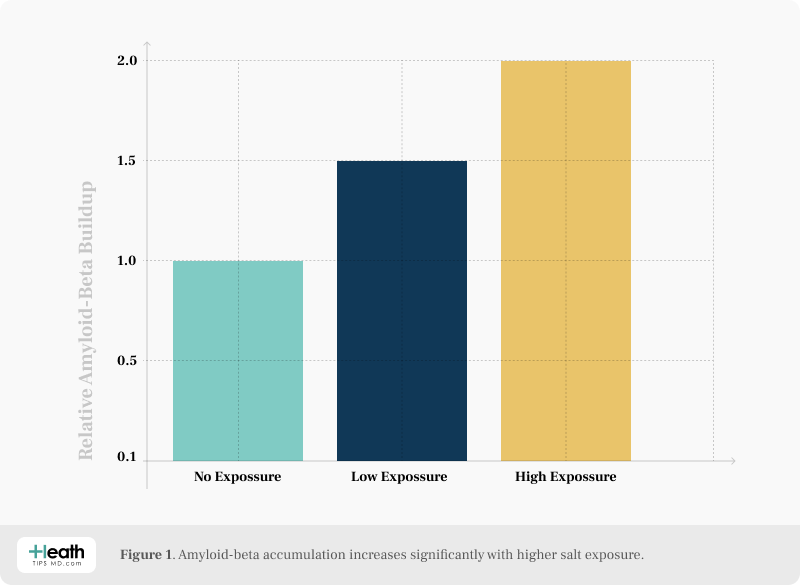
In animal studies, high-salt diets have been shown to impair cognitive function and promote the buildup of amyloid-beta proteins, which are closely tied to Alzheimer’s disease. Researchers believe that too much salt may alter the gut-brain axis, increasing inflammation and oxidative stress in the brain.
Amyloid-Beta Accumulation by Salt consumption
Other Everyday Foods That May Be Harming Your Brain
While salt is a major concern on its own, it often shows up in processed or factory-farmed foods that carry additional risks.
⚠️ Processed Meats
Items like bacon, sausage, and deli meats are loaded with sodium, nitrates, and preservatives. These ingredients have been linked to oxidative stress, inflammation, and impaired neurotransmitter function [1].
⚠️ Canned Soups & Packaged Meals
Many convenience foods are sodium bombs. One serving can easily exceed half your daily recommended intake, contributing to long-term vascular damage in the brain [1].
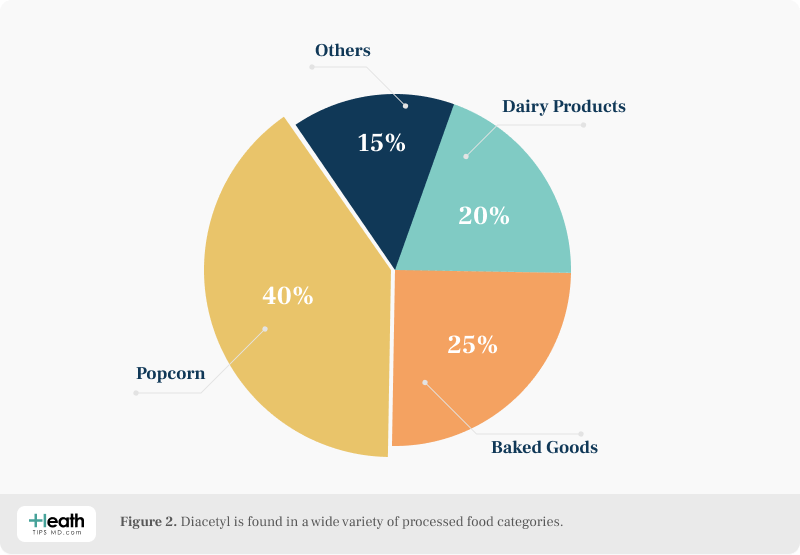
⚠️ Popcorn’s Buttery Flavor and other food containing Diacetyl
As it turns out, a compound used to create that buttery flavor (named “Diacetyl” may be silently putting your brain at risk. Diacetyl has been linked to cognitive decline, memory loss, and neuroinflammation (brain inflammation) [2].
Distribution of Foods Containing Diacetyl
Brain Inflammation by Diet Type
It’s Not Just Age — It’s What You Eat
Contrary to popular belief, dementia isn’t just a consequence of getting older. It’s increasingly clear that diet plays a significant role in how your brain ages [3].
Cognitive Decline Risk by Processed Food Intake
As you age, the research shows that risk of cognitive decline increase at a higher rate with high diacetyl diets.
[1] Smith, C. J., & Perfetti, T. A. (2020). “Dietary additives and their association with neurodegenerative diseases.” Nutritional Neuroscience, 23(10), 771–785.
[2] Zhou, Y., et al. (2012). “Diacetyl and its effect on amyloid-beta aggregation and neuroinflammation.” Journal of Neurochemistry, 123(5), 706-716.
[3] National Institutes of Health (NIH). “Processed food intake and risk of cognitive impairment: a prospective study.” NIH Research Updates, 2020.